A kingdom is a group of living things that share basic characteristics. All animals belong to the animal kingdom. This book describes the many types of animals that make up this kingdom.
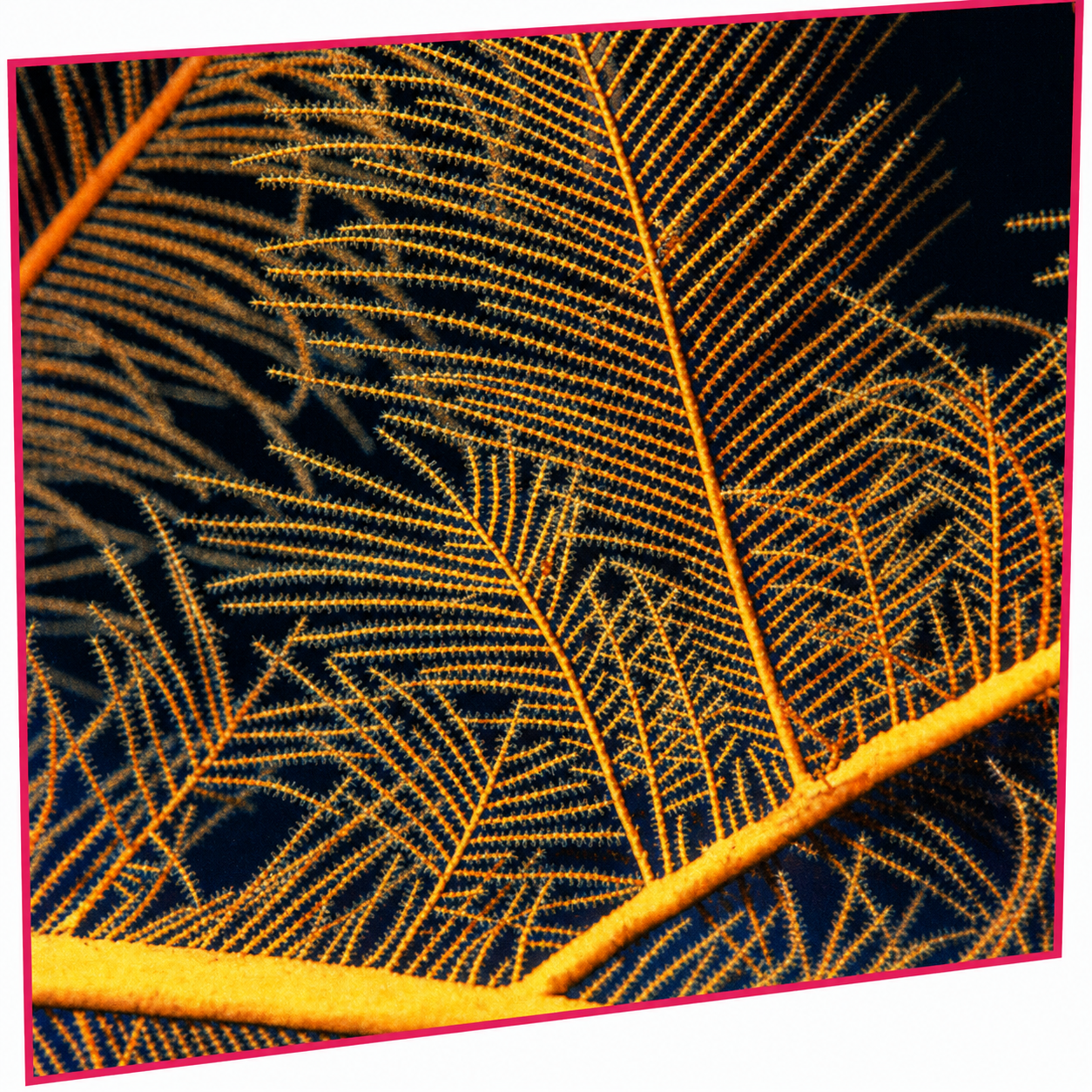
(right) Some animals, such as sea fans, look like plants.
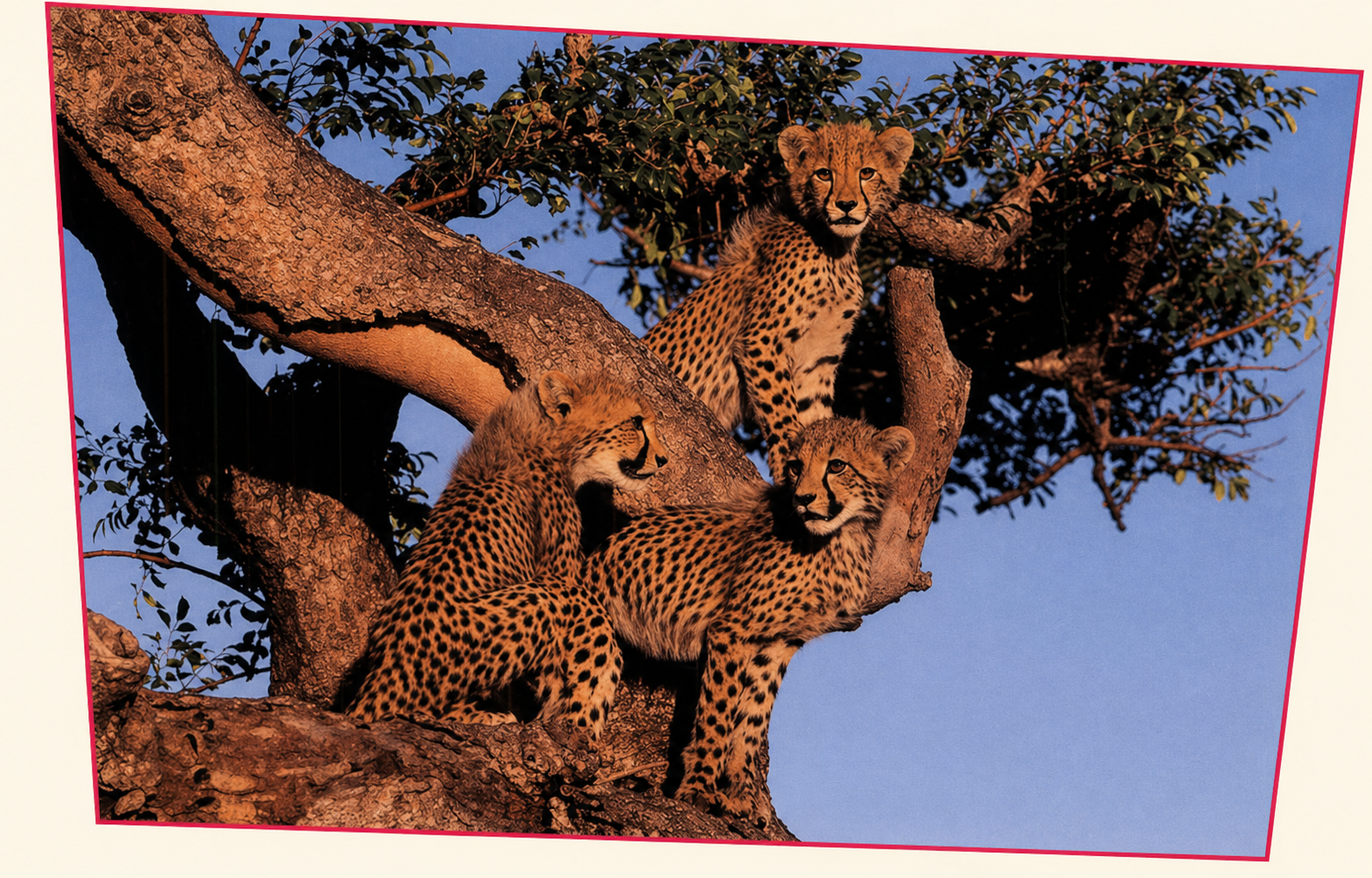
(below) Unlike these cheetahs, most animals do not have fur or four legs.
5
Some worms live on or under the ground. Others live in water. Many worms are parasites. They live on or inside a plant or other animal called a host. Parasites feed off their hosts' bodies or blood. Sometimes they cause their hosts to die.
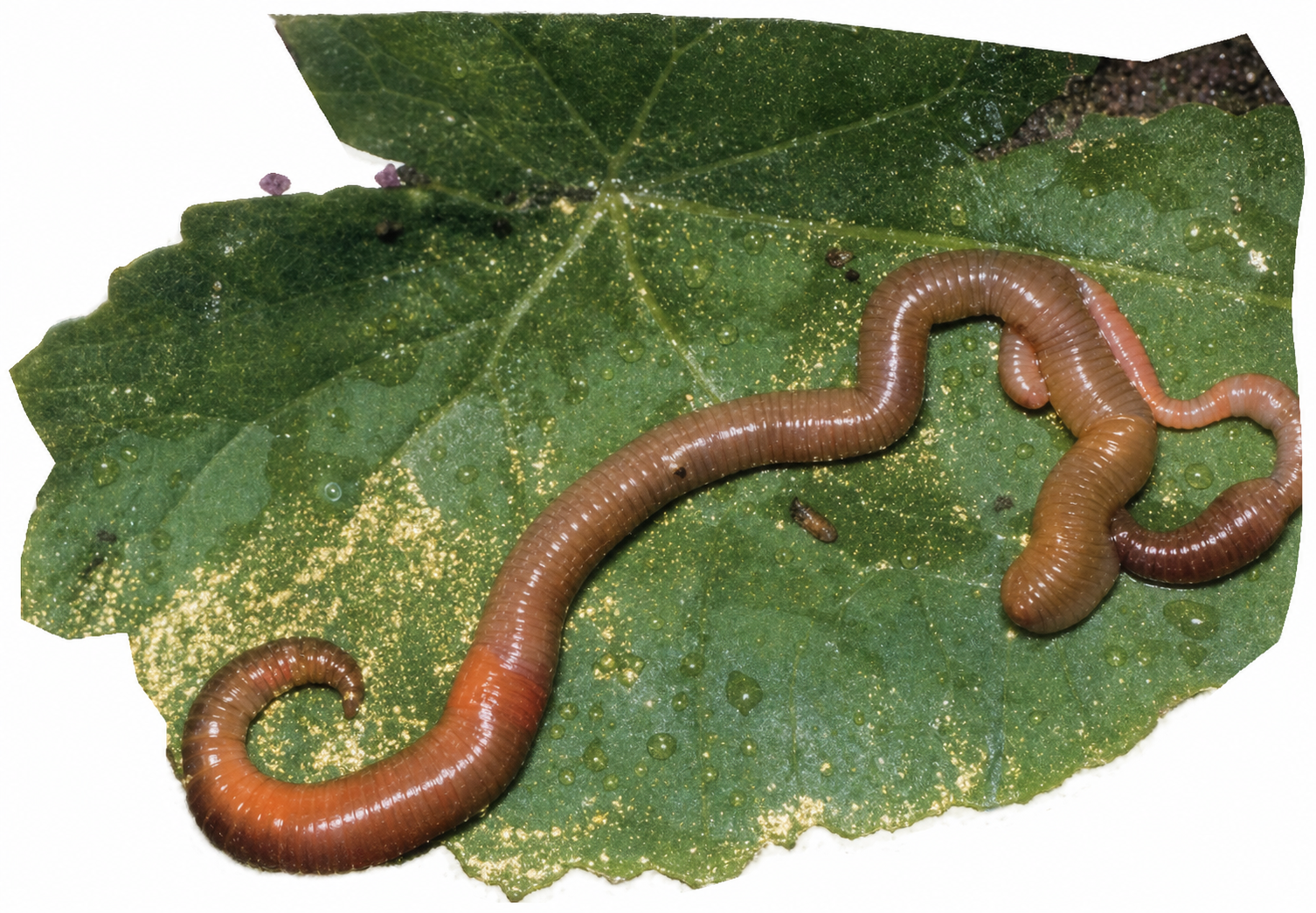
Earthworms live in the ground. When it rains, they surface to keep from drowning in their tunnels.
Some worms have smooth skin. Many underwater worms are covered with cilia. Cilia are tiny body parts that look like feathers or hairs. Other worms have leglike parapodia. Cilia and parapodia help worms collect food or move.
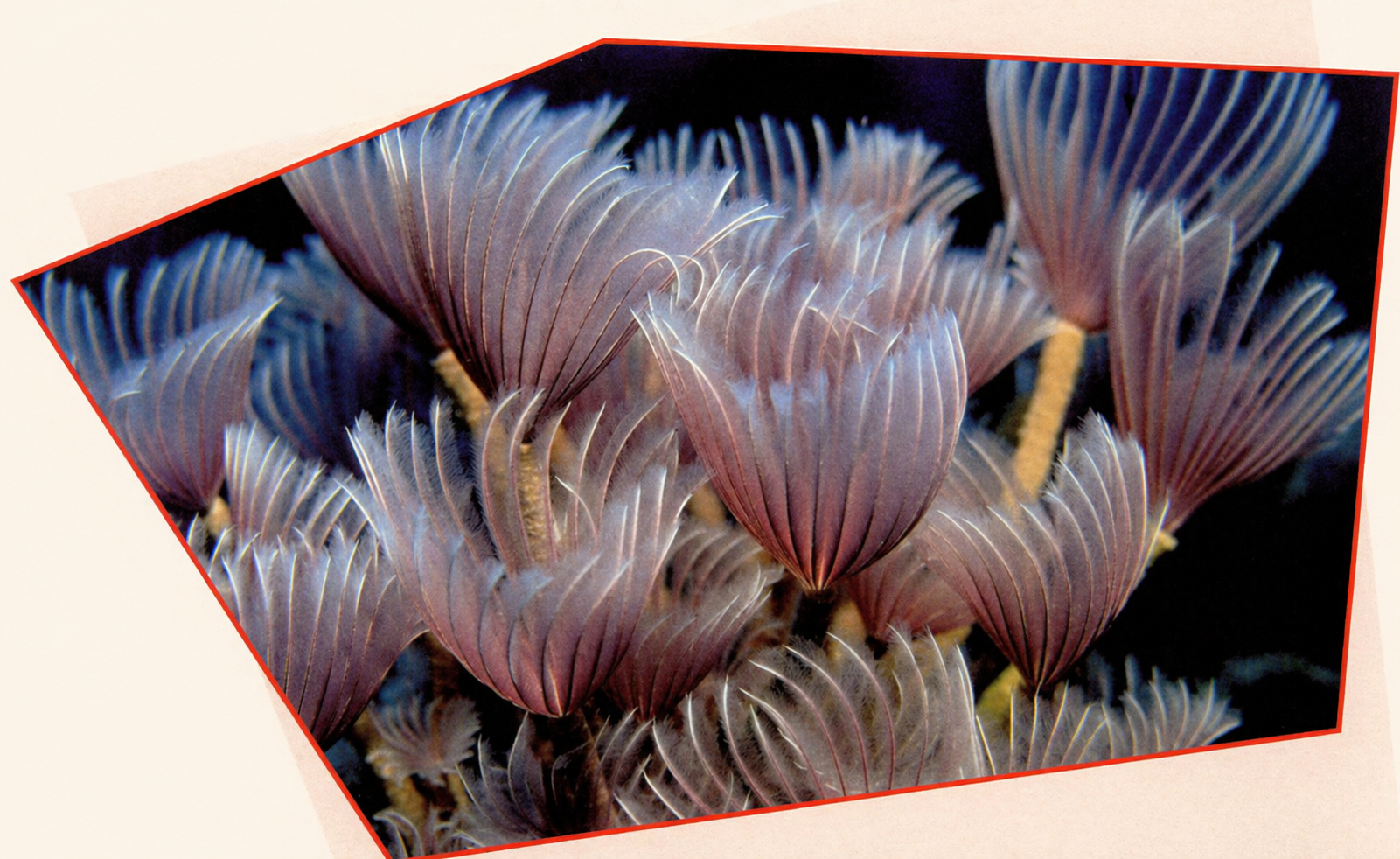
Feather duster worms live underwater. They use their featherlike cilia to trap food.
11
Clams, oysters, and mussels are bivalve mollusks. A bivalve mollusk's body is surrounded by two shells. The shells are joined on one side by a hinge that allows them to open and swing shut. The shells open when the mollusk eats and close to protect it from enemies. Bivalve mollusks use their foot to burrow and sometimes to spring away from danger.
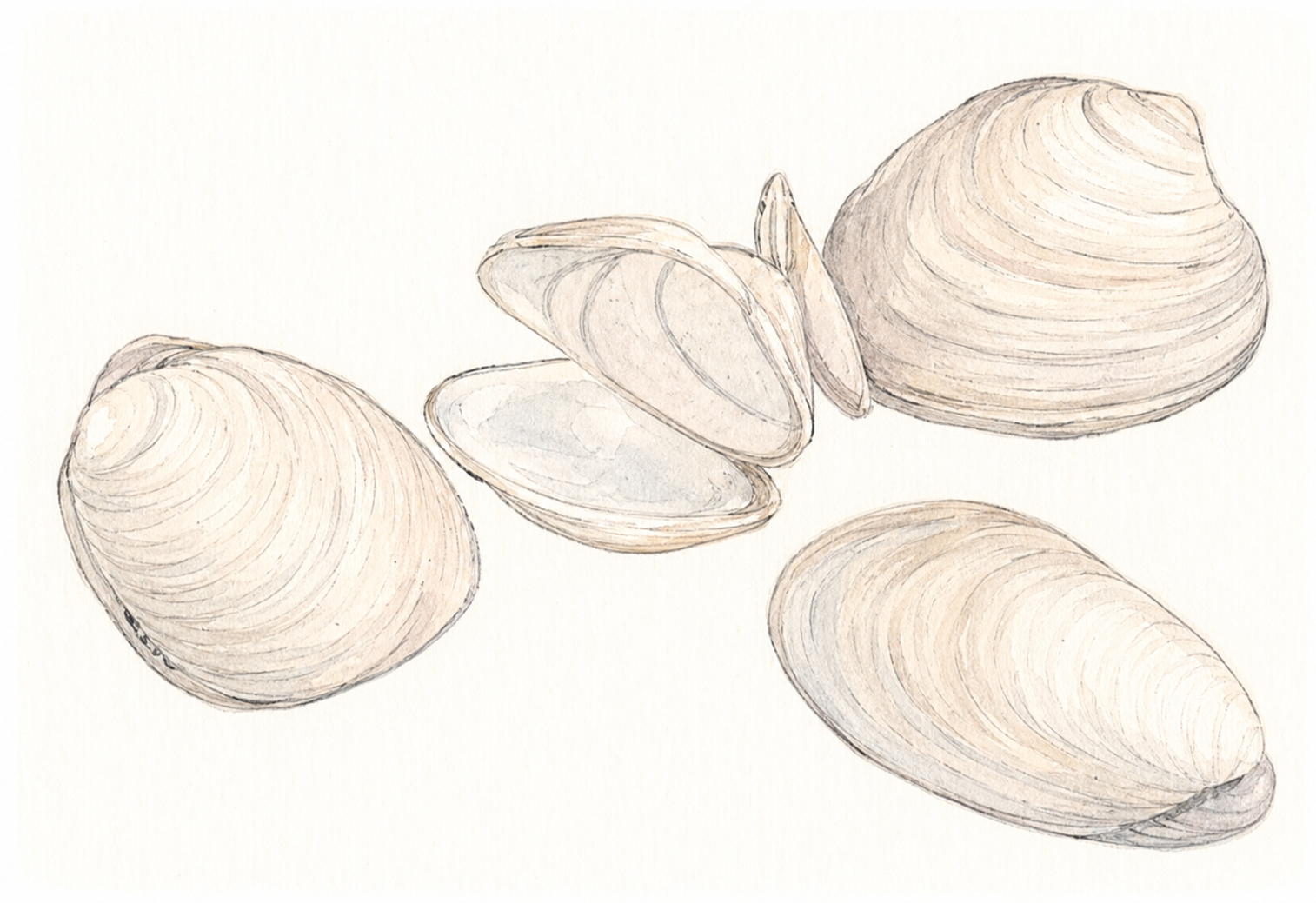
Clams are bivalve mollusks. Their shells open for feeding and close for protection.
Octopuses have excellent eyesight for spotting food and danger.
Octopuses, squid, and cuttlefish are cephalopods. Cephalopods are the largest invertebrates. They are powerful swimmers that can move quickly. Unlike other mollusks, they do not have a shell on the outside of their body and, instead of a foot, they have many arms. Some cephalopods can change color. Some shoot dark liquid into the water to confuse an enemy.
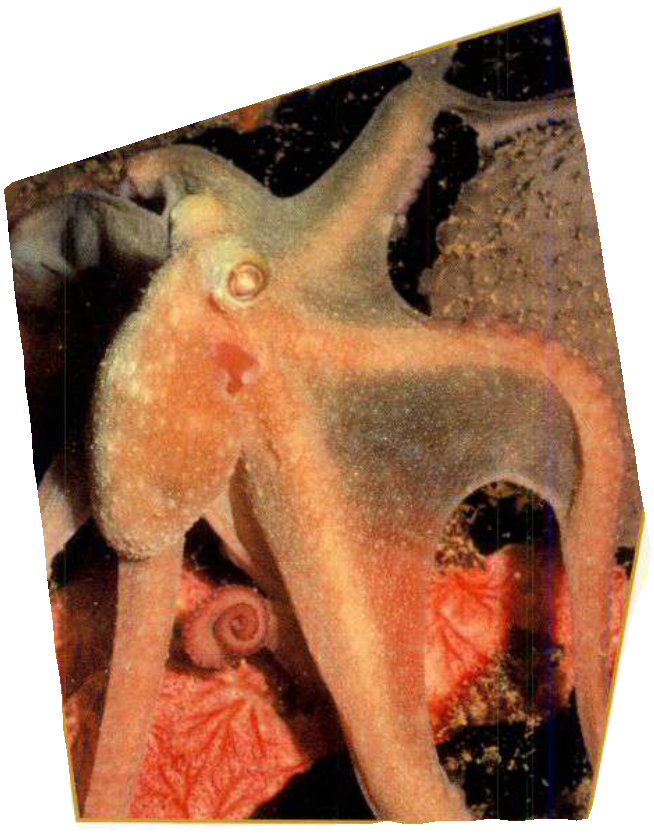
Cephalopods are the most intelligent invertebrates. Scientists have discovered that octopuses, for example, have a good memory and can be taught to perform tricks!
13
...
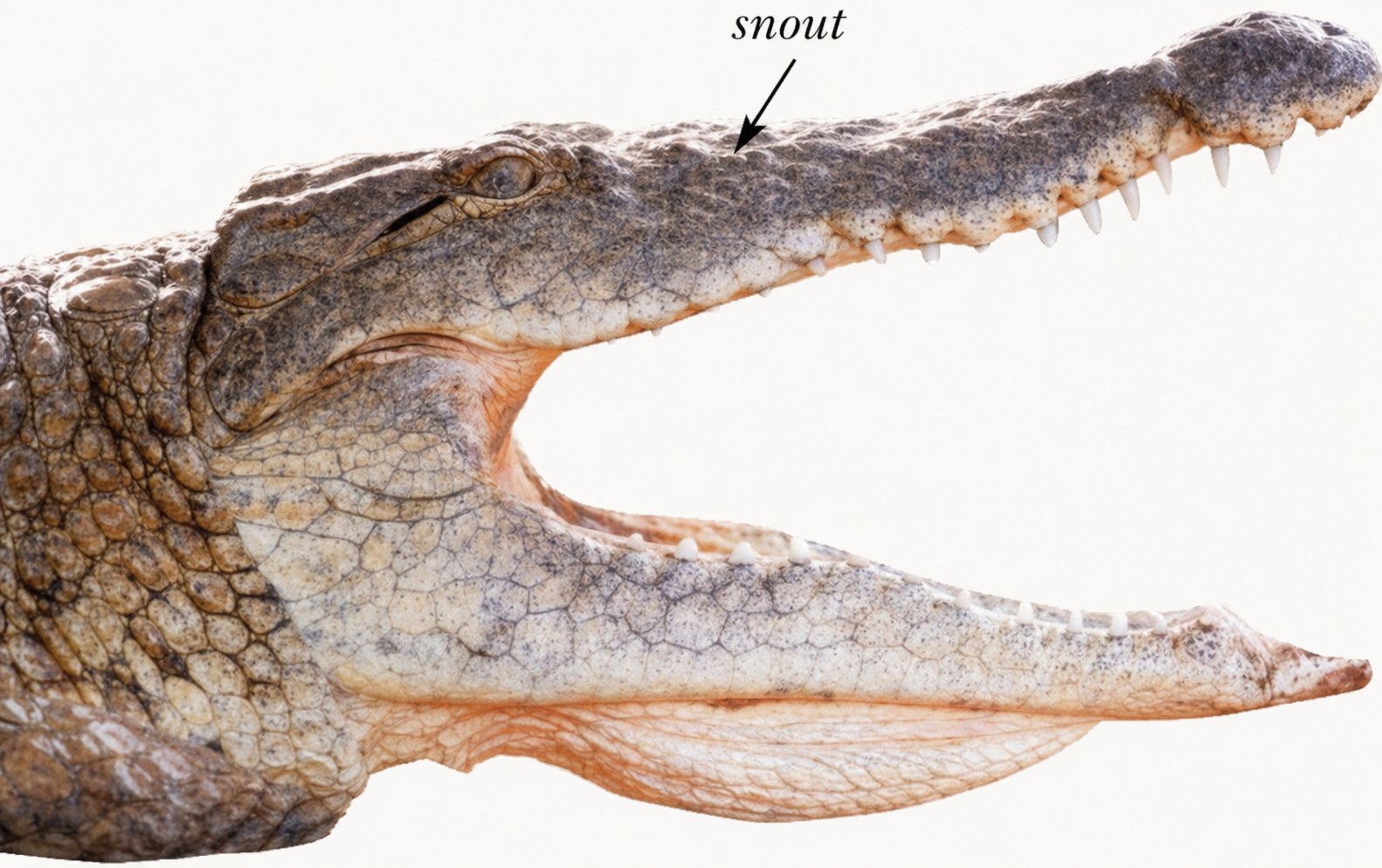
Reptiles are cold-blooded vertebrates that have leathery skin covered with scales. They are divided into four main groups: crocodiles and alligators, turtles and tortoises, lizards and snakes, and tuataras.
(above) To cool its body, a crocodile holds its mouth open and lets heat escape.
Crocodiles and alligators have short legs and long bodies covered with bony armor. Their snouts are long and filled with pointed teeth for grabbing and holding prey. These reptiles spend most of their time in the water, but sometimes they crawl onto land.
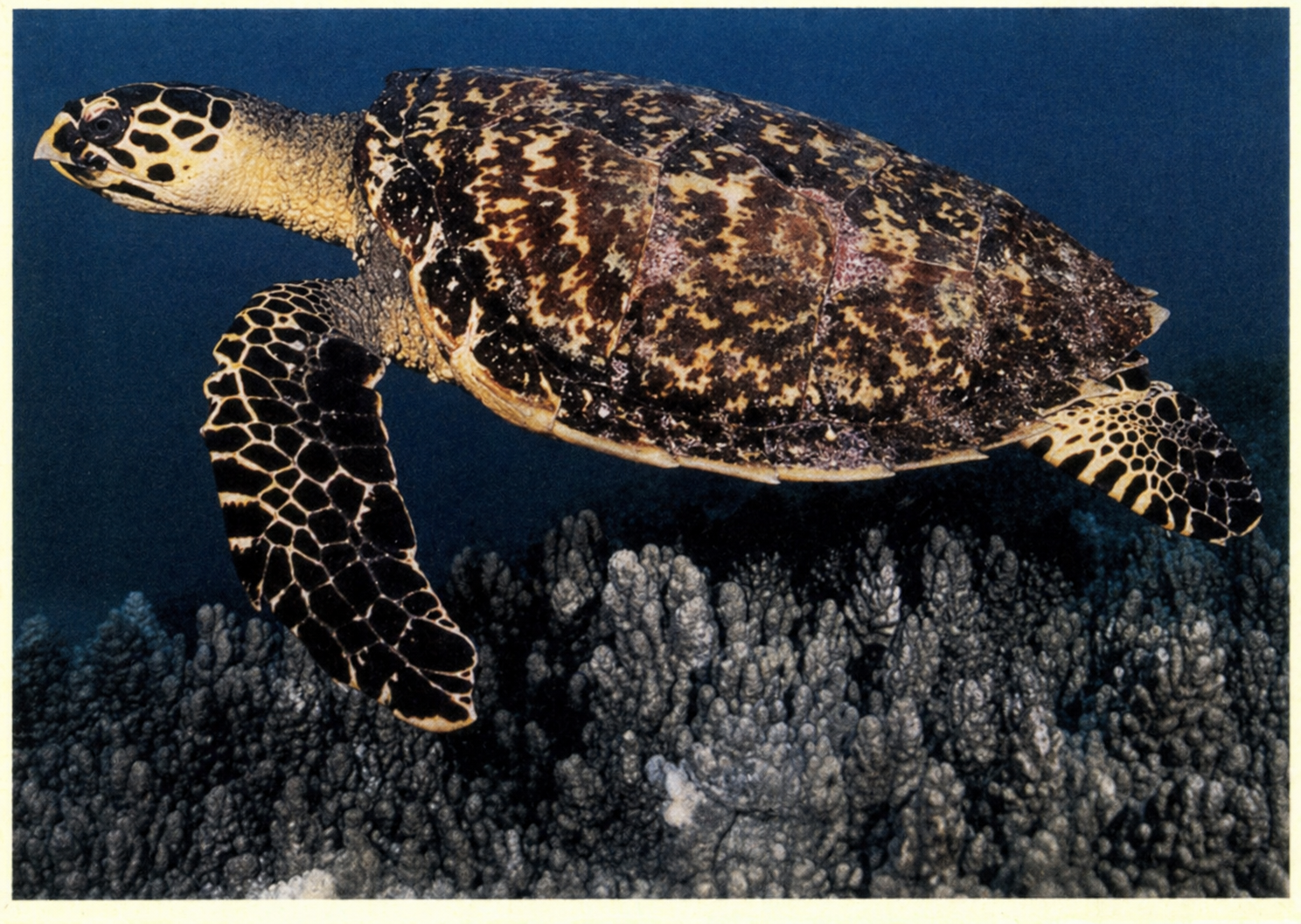
Turtles and tortoises have short legs and a round, bony shell. They protect themselves from enemies by pulling their legs and head into their shell. Turtles and tortoises may look similar, but there is an easy way to tell them apart- turtles live in water, and tortoises live on land. Some turtles, such as this green turtle, have flippers instead of legs for swimming.
22
Lizards and snakes have long bodies and tail. Almost all lizards have four legs. A few types of lizards, along with snakes, have no legs. Most lizards have rows of pointed teeth with which they grab their prey. Snakes have large fangs that they use to catch prey. Many have hollow fangs, or teeth, that shoot venom. Some inject the venom into prey when they bite.
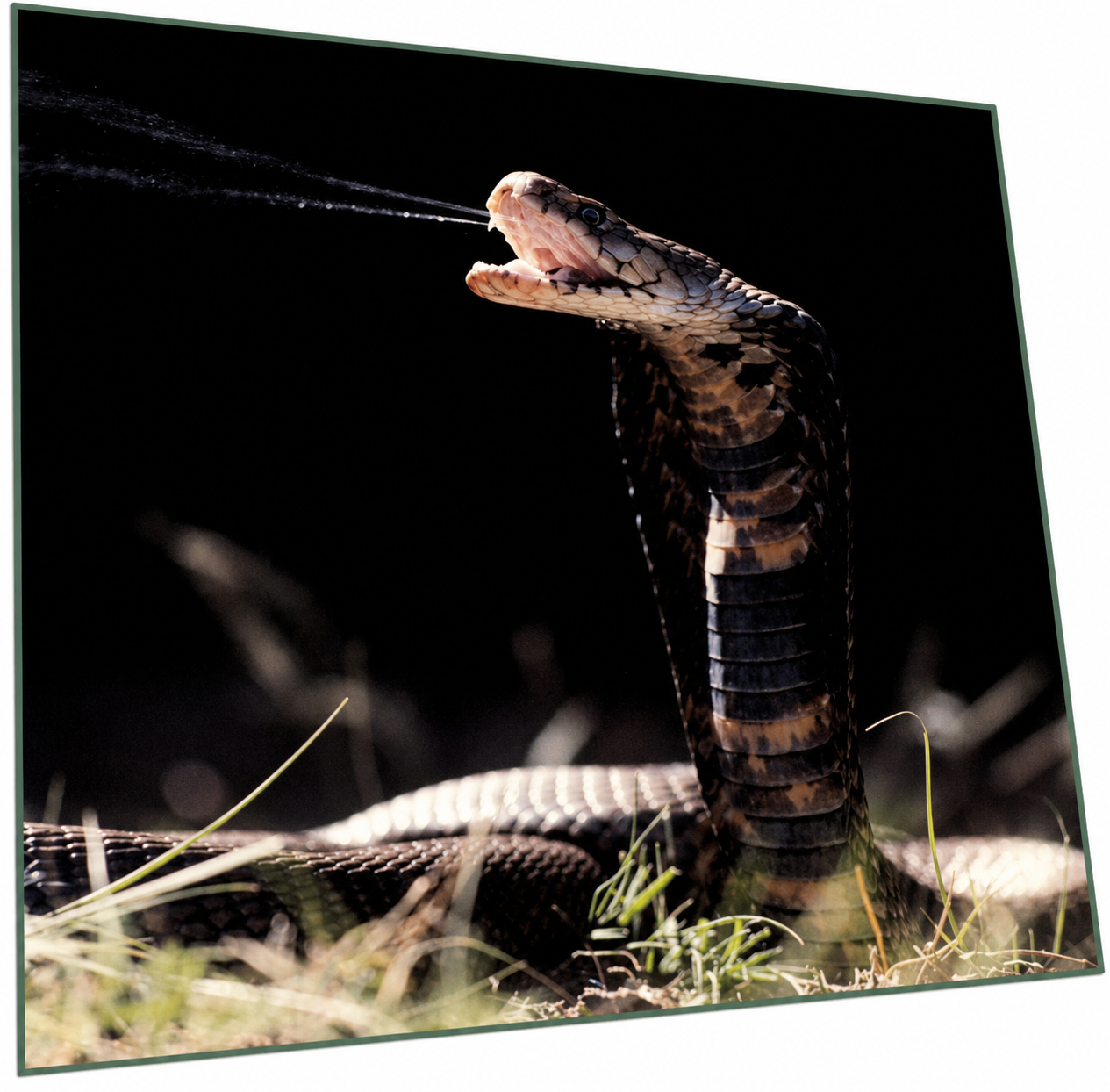
This cobra shoots a stream of venom to paralyze prey or keep enemies away.
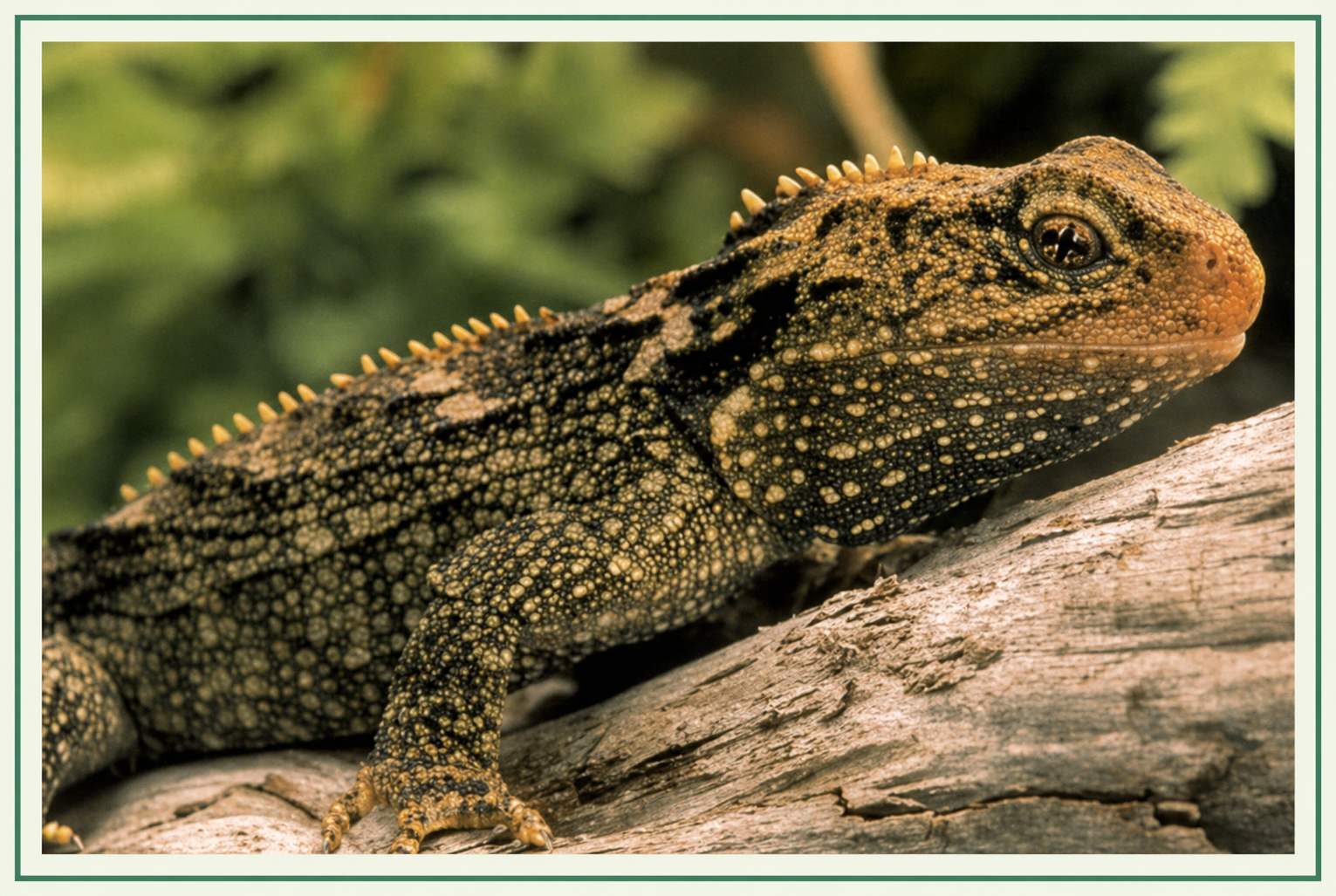
The tuatara looks like a lizard, but it is not. It belongs to its own group. The tuatara is the oldest living type of reptile. Tuataras prefer lower temperatures than other reptiles. They come out only at night, when the air is cool. They live on a few islands near New Zealand.
23
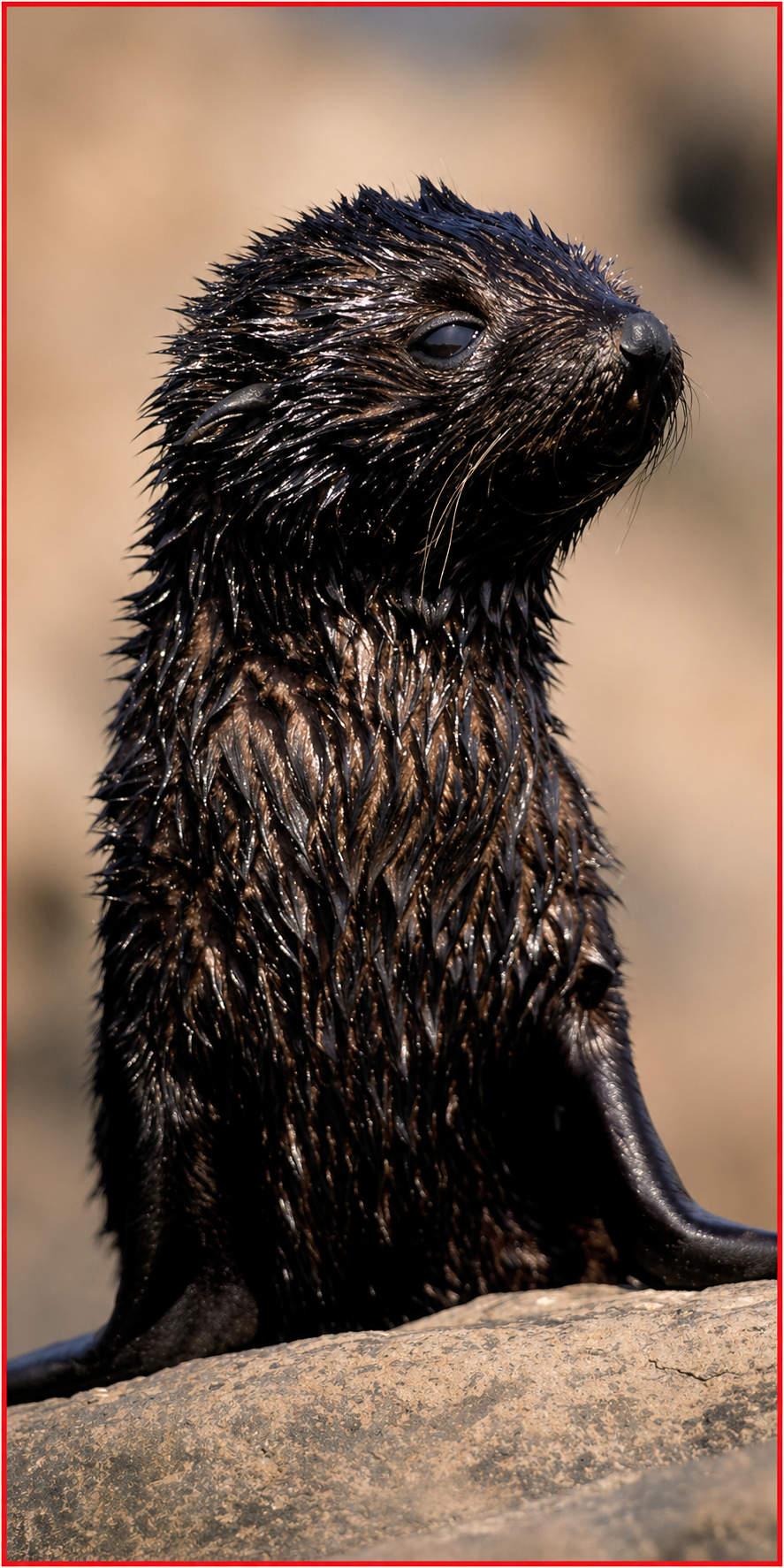
Water pollution from oil spills, factories, and cities threatens fur seals and other ocean animals.
When humans pollute a habitat, all the living things in it are affected. Garbage, farm chemicals, automobiles, factories, mines, and power stations pollute the water, air, and soil. Wildlife that lives in polluted habitats often becomes sick and sometimes dies out. Scientists have discovered that some frogs and toads may be especially sensitive to pollution. Many are born missing legs because their parents' bodies were harmed by pollution. Some, such as the golden toad, seem to have disappeared from the wild and may be extinct.
Many people are trying to save endangered animals. You, too, can help save animals by learning more about them and letting other people know that they are in danger. Avoid buying products that are made from endangered animals. Reduce, reuse, and recycle so that there is less pollution. You can also join a wildlife group that watches and helps animals in your area or around the world.
30